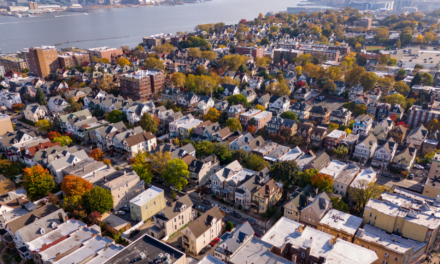

Gloucester County’s history reflects its evolution from early colonial farms and mills to a regional manufacturing and agricultural center, shaped by river trade, transportation networks, and suburban growth tied to its proximity to Philadelphia.
Located in southwestern New Jersey between the Delaware River and the Pine Barrens, Gloucester County has long balanced rural landscapes with industrial and suburban communities. Its development followed waterways, turnpikes, and eventually rail and highway networks that connected local farms, mills, and port towns to larger regional markets.
The county retains strong agricultural heritage, preserved historic districts, and towns that have grown outward while maintaining older centers.
Table of Contents
Indigenous Communities and Early Settlement
Before European settlement, Lenape groups lived along the Delaware River and its tributaries, using forests, streams, and meadows for hunting, fishing, and seasonal gathering.
Trails along ridgelines and river crossings shaped later colonial road networks.
Colonial Settlement and Quaker Influence
European settlement began in the late 1600s, largely led by English and Quaker families who established farms, mills, and meeting houses. These communities emphasized local governance, modest architecture, and strong agricultural self-reliance.
County Formation
Gloucester County was officially formed in 1686, making it one of New Jersey’s earliest established counties.
Its original size was far larger; portions of it later became Camden and Atlantic Counties.
Agriculture, Mills, and Market Towns
Agriculture formed the backbone of Gloucester County’s economy for more than two centuries, supported by fertile soil and steady river access.
Farming and Production
Major products historically included:
- Wheat and corn
- Cattle and dairy
- Orchards and produce
- Timber and lumber processing
Mill Town Growth
Small communities developed around mill sites powered by creeks and branches of the Mantua and Raccoon Rivers.
Compact village centers formed near mills, ferries, or key crossroads.
County Seat: Woodbury
Woodbury became the administrative and legal center, developing around the courthouse, local businesses, and civic institutions.
Its walkable historic district reflects its long-standing civic role.
Rivers, Shipping, and Transportation Development
The Delaware River and its tributaries played central roles in Gloucester County’s early commerce and travel patterns.
River Ports and Ferries
Before bridges, ferries connected the county to Philadelphia and neighboring Pennsylvania towns.
Shipping docks supported grain exports, lumber trade, and fish harvesting.
Railroads and Turnpikes
In the 19th century, rail lines and improved turnpikes connected Gloucester County farms to markets in:
- Philadelphia
- Camden
- Trenton
- Wilmington
Rail travel accelerated town growth while maintaining agricultural continuity.
Highway Era
The development of major highways, including Route 55, Route 42, and the New Jersey Turnpike, shifted travel patterns and spurred suburban expansion in the 20th century.
Glassmaking, Industry, and Manufacturing
Gloucester County shared in South Jersey’s glassmaking heritage, due to available fuel and glass-quality sand.
Glass and Industrial Production
Factories and workshops in towns such as Clayton and Glassboro produced window glass, bottles, and industrial products.
Rowan University and Glassboro’s Evolution
Glassboro’s identity evolved from a glassmaking town into an academic center with the founding of the Glassboro Normal School (now Rowan University).
Today, Rowan influences education, research, community development, and local cultural life.
Suburban Growth and Community Development
After World War II, Gloucester County saw significant suburban development, particularly in areas near Philadelphia commuter corridors.
Housing and Population Patterns
Towns including Washington Township, Deptford, and West Deptford expanded as:
- Highway access improved
- Residential neighborhoods were built
- Schools and commercial corridors developed
Balancing Growth with Rural Preservation
Eastern and southern portions of the county, particularly around Mullica Hill, Mantua, Elk Township, and Harrison Township, retain rural landscapes and active farmland.
Parks, Outdoor Areas, and Environmental Landscape
Despite development, Gloucester County maintains significant green space, nature preserves, and historical parks.
Key destinations:
- Scotland Run Park and Wilson Lake, offering trails and kayaking
- Tall Pines State Preserve, known for birding and meadow landscapes
- Red Bank Battlefield Park, preserving a Revolutionary War site along the Delaware River
- Mullica Hill and surrounding farm country, with open views and seasonal farm stands
Outdoor life here reflects a connection to both farmland and river systems.
Towns and Community Character
Each Gloucester County community reflects different aspects of its agricultural and industrial heritage.
Woodbury
Historic administrative center with walkable town center and civic institutions.
Glassboro
University town with evolving downtown, academic programming, and arts development.
Mullica Hill
Preserved 18th–19th century main street, antique shops, and rural countryside.
Deptford and Washington Township
Retail and residential hubs serving county-wide commerce and suburban population.
Things to Do for Visitors and Residents
Gloucester County offers historical exploration, outdoor recreation, farm touring, and local dining experiences.
Recommended activities:
- Tour Red Bank Battlefield and views along the Delaware
- Walk Mullica Hill’s historic downtown and antique shops
- Visit Glassboro’s evolving Rowan Boulevard district for food and campus events
- Paddle or fish at Scotland Run Park
- Attend seasonal farm markets and winery events
- Explore Woodbury’s historic streets and courthouse green
The county rewards exploring both town centers and open landscapes.
Final Thought
Gloucester County’s identity reflects continuity between land, river, and community life, shaped by agriculture, trade routes, and changing transportation patterns.
Its growth has been steady rather than abrupt, maintaining visible connections to its early development. The county continues to balance historic character, educational expansion, and evolving residential life.
Gloucester remains a place where the region’s agricultural past and suburban present are woven closely together.