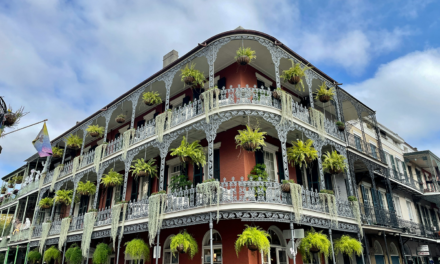

Montclair’s history is a blend of Indigenous heritage, early colonial settlement, transportation-driven growth, artistic influence, and a long-standing reputation for cultural richness.
Located in Essex County, Montclair developed along the eastern ridge of the Watchung Mountains, a landscape that shaped its neighborhoods and helped define its identity.
From the Lenape Trail’s scenic lookout points to the Victorian homes lining its streets, Montclair has always held a special place in northern New Jersey’s story.
Table of Contents
Indigenous Roots and the Lenape Landscape
Long before Montclair became a township, the land belonged to the Lenni-Lenape, whose trails, camps, and travel routes crossed the Watchung Mountains.
The Lenape Trail and Local Lookouts
The modern Lenape Trail, which passes through Montclair and reaches into the Watchung foothills, follows fragments of Indigenous pathways that once connected villages, hunting grounds, and trading routes.
One of the most notable nearby high points is the scenic overlook in Eagle Rock Reservation, where the trail meets sweeping views of the New York City skyline. This region served as a vantage point and natural boundary for the Lenape.
The Land Before Settlement
The Lenape used the region for:
- seasonal migration
- fishing and foraging
- hunting along the mountain slopes
- ceremonial and travel routes tied to the larger Lenape network
Montclair’s natural elevation and abundant springs made the land attractive long before colonists arrived.
Early Colonial Settlement
European settlers began arriving in the late 1600s and early 1700s, creating small farms and homesteads across the area.
Dutch and English Influence
The region was shaped by families from Newark and the surrounding townships who expanded westward toward the Watchung Mountains.
Montclair’s earliest communities centered around:
- agriculture
- milling
- small timber operations
The land’s slope and fertile scattered valleys gave rise to clusters of early homes and farming settlements.
The Name “Montclair”
“Montclair” derives from the French mont clair, meaning clear mountain, referencing the township’s elevated terrain and unobstructed views. The name reflects both the geography and the reputation the area gained for its scenic beauty.
Montclair and the Rise of Railroads
Montclair transformed from rural farmland into a thriving suburb thanks to the arrival of the railroad in the mid-19th century.
A Commuter Destination Emerges
Rail service connected Montclair directly to Newark and New York City.
With that link in place, the township attracted:
- business professionals
- wealthy families seeking country homes
- artists and writers drawn to the scenery
- schools, hotels, and cultural institutions
Montclair’s growth mirrored the rise of other affluent rail suburbs, yet its artistic leanings and architectural variety set it apart.
Victorian Architecture and Estate Development
The late 1800s brought:
- large Victorian homes
- grand estates along the mountain ridge
- streets lined with shade trees
- a strong emphasis on design and community planning
Montclair’s built environment still reflects this era’s influence.
The 20th Century: Arts, Culture, and Community Identity
Throughout the 1900s, Montclair gained a reputation as a creative, educated, and culturally active community.
A Center for Arts and Education
Montclair’s institutions helped define its identity:
- Montclair Art Museum (founded 1914), one of the first in the country dedicated to American art
- Montclair Kimberley Academy and other private schools
- Montclair State University, which expanded significantly over the century
Writers, performers, journalists, and visual artists found a welcoming home in Montclair’s neighborhoods.
Changing Demographics and Civic Engagement
Montclair became known for:
- diverse neighborhoods
- progressive civic life
- strong local organizations
- active preservation groups
The township’s cultural depth emerged from both long-standing residents and newcomers drawn to its artistic atmosphere.
Modern Montclair: Neighborhoods, Nature, and Culture
Montclair today blends historic charm, vibrant downtown corridors, and easy access to nature.
A Distinct Mix of Urban and Suburban
Montclair stands out for:
- lively business districts on Bloomfield Avenue and Walnut Street
- historic homes and tree-lined residential areas
- strong public transit into New York City
- a long-established restaurant and café scene
- active arts venues and community theaters
Its reputation as one of New Jersey’s cultural centers remains strong.
Natural Escapes Nearby
While Montclair itself is densely developed, it sits moments away from major outdoor spaces:
- Eagle Rock Reservation with its scenic lookout
- Mills Reservation, also along the Lenape Trail
- Brookdale Park, part of the Essex County Park System
These areas preserve the geography that shaped Montclair’s earliest identity.
The Lenape Trail’s Role in Montclair’s History
The Lenape Trail is a modern reminder of Montclair’s Indigenous past and its place in Essex County’s natural network.
Running more than 30 miles through Essex County, the trail:
- connects dozens of parks and reservations
- offers historical markers and scenic overlooks
- traces sections of old Lenape routes
- links Montclair to bordering towns through both wilderness and neighborhoods
Its lookout points remain some of the most recognizable natural features in the area.
Q&A: Common Questions About Montclair, New Jersey
Why did Montclair develop such a strong cultural identity?
Montclair attracted artists, educators, and creative professionals beginning in the late 19th century, thanks in part to its scenic location, accessible rail service, and early arts institutions. This momentum continued through the 20th century, turning the township into one of New Jersey’s cultural anchors.
What natural features influenced Montclair’s early history?
The Watchung Mountains and the slopes that run through the township shaped early settlement patterns. Lookout points and trails connected to the Lenape world, and the elevated ridge later became a desirable location for Victorian estates and scenic homes.
Is Montclair part of a larger county network?
Yes. Montclair is located in Essex County, a county with many nearby towns that share historical ties. Its position within the county allowed it to grow alongside other communities while developing its own identity.
How did the railroad impact Montclair?
Railroads transformed Montclair into a premier commuter town in the 19th century. They brought population growth, architectural development, and new institutions, turning it from a rural area into a thriving suburb.
What outdoor areas are linked to Montclair’s history?
The Lenape Trail, Eagle Rock Reservation, Mills Reservation, and Brookdale Park are all tied to the region’s long-standing relationship with nature. These spaces preserve both the geography and the Indigenous pathways that shaped the township.