A compact waterfront city with an outsized place in New Jersey’s story.
Perth Amboy sits along the Raritan Bay with a history shaped by immigration, trade, colonial politics, and industry. Today, it’s known for its walkable downtown, strong cultural identity, and an active waterfront that reminds locals and visitors how much of New Jersey’s early story ran straight through this small but influential city.
Perth Amboy isn’t a town that tries to impress you with flash.
It leads with geography, heritage, and a steady sense of place. Once you understand how those threads connect, the city becomes far easier to appreciate—and much more interesting to explore.
Early Foundations and the Birth of a Capital
Perth Amboy’s influential roots run back to the late 1600s.
The area was originally inhabited by the Lenape people, who lived along the Raritan River and Bay for thousands of years before Europeans arrived. When English settlers claimed the region in the 17th century, they established the settlement of Amboy, a name that likely came from the Lenape word Ompoge—“level ground.”
By 1686, the town was renamed “Perth Amboy,” combining the Earl of Perth’s title with the original name. Not long after, it became one of the capitals of East Jersey and later served as a shared capital of the Province of New Jersey before the colonies unified. Because of this, the city has one of the richest colonial footprints in the state.
A Port City With Regional Influence
Its deep natural harbor made Perth Amboy one of New Jersey’s earliest economic engines.
Well before New York Harbor dominated regional trade, Perth Amboy emerged as a natural port due to its protection from the open Atlantic and access to inland waterways. Ships moved timber, agricultural products, and manufactured goods through its docks.
During this time, several important developments shaped the city:
- Establishment of the first recorded ferry service between New Jersey and Staten Island.
- Growth of local industries such as pottery, metalwork, and maritime trade.
- Construction of State Street and the Governor’s Mansion, which still stand as reminders of the city’s political heritage.
By the early 1800s, Perth Amboy was growing around its waterfront economy, with warehouses, shipping offices, and merchant homes anchoring the landscape.
Waves of Immigration and Cultural Identity
As industry expanded, Perth Amboy became a magnet for new Americans.
In the 19th and early 20th centuries, factories and shipyards began attracting workers from around the world. Immigrants from Eastern Europe, Ireland, Italy, and later Latin America helped shape the city’s neighborhoods, churches, and businesses.
A few defining characteristics emerged:
- Strong bilingual culture, especially Spanish and English
- Longstanding civic organizations centered around heritage
- Small businesses lining Smith Street and the surrounding downtown blocks
- Deep pride in local traditions, from food to festivals
Today, Perth Amboy remains one of the most diverse cities in New Jersey—a trait that contributes to its character as much as its history.
Table of Contents
Landmarks That Tell the Story
Perth Amboy’s architecture and preserved sites offer a clear window into its past.
Beyond the smaller streets and corner shops, the city holds several well-known historical structures that help paint its broader picture.
Proprietary House
The only remaining official Royal Governor’s Mansion left in the U.S. It briefly housed Governor William Franklin (Benjamin Franklin’s Loyalist son) and later served as a hotel, boarding house, and private residence.
Tours and events still take place here.
The Ferry Slip Museum
A restored 1904 ferry terminal that highlights the importance of the waterway connecting New Jersey and Staten Island.
The site hosts concerts and community events in the warmer months.
City Hall
Perth Amboy’s City Hall has operated continuously since the 1700s.
It’s one of the oldest public buildings still in use in the United States.
Kearny Cottage
A preserved colonial-era home offering a glimpse of 18th-century domestic life, now serving as a small museum.
These landmarks aren’t decorative—they mark Perth Amboy’s role in governance, trade, and maritime life, and they help visitors understand why the city mattered early on.
What It’s Like for Locals
Perth Amboy mixes working-class energy with a strong community-centered rhythm.
Walk Smith Street during lunch hour and you’ll see how much of the city revolves around daily commerce and family life.
People know each other. Restaurants and bakeries stay busy. Waterfront Park fills on warm days. Schools and churches anchor many residential blocks.
A few local hallmarks shape daily life:
- A thriving food scene, especially Latin American, Portuguese, and Caribbean
- Easy access to Staten Island via the Outerbridge Crossing
- Walkable downtown with essential services and shops
- Strong emphasis on festivals, parades, and cultural celebrations
- A community that values connection over pretense
Residents enjoy living in a small city with easy transit options, a rich sense of heritage, and proximity to major metros without losing a local feel.
What Visitors Often Enjoy
Perth Amboy offers both history and waterfront moments that are easy to build into a day trip.
Whether you’re passing through or planning a dedicated visit, a few standout experiences make the city appealing.
Waterfront Walks and Views
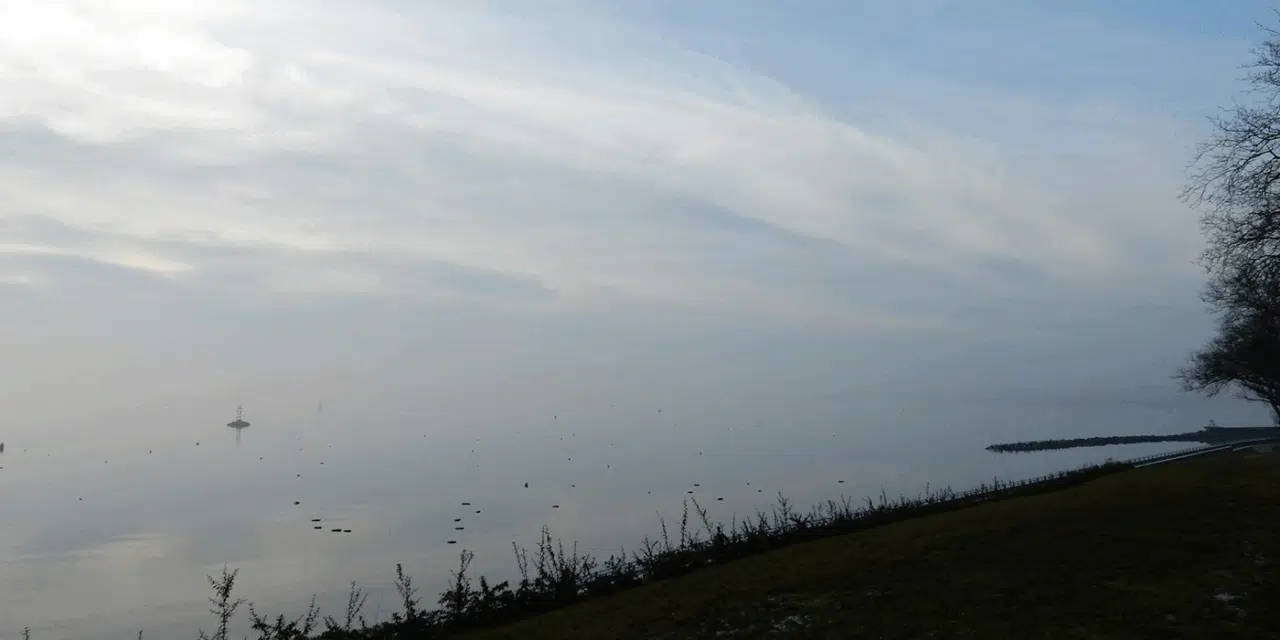
The marina area and riverfront park offer views of Raritan Bay, sailboats, and Staten Island. It’s peaceful, scenic, and great for photography.
Cultural Dining
Perth Amboy’s food reflects its population.
Visitors often seek out:
- Ecuadorian and Peruvian restaurants
- Puerto Rican staples, especially roast pork and pastelillos
- Portuguese bakeries
- Dominican cafés
- Traditional seafood spots
- Small markets with imported goods
The city’s dining is one of its biggest draws—authentic, local, and proudly non-commercial.
Historic Architecture
The colonial and Victorian-era buildings concentrated near the waterfront add character, especially for visitors who enjoy walking tours with depth and detail.
Museums and Tours
The Ferry Slip, Kearny Cottage, and Proprietary House each tell a different piece of the city’s story, and together they give a fuller sense of Perth Amboy’s past.
Perth Amboy Today
The city continues to balance heritage with growth.
Redevelopment along the waterfront, improvements to parks, and community-driven projects have helped Perth Amboy reclaim parts of its shoreline that were once dominated by industry. Meanwhile, downtown businesses remain steady, and new residents continue arriving from across the region.
The city feels grounded—aware of its history yet open to new chapters. That’s what makes Perth Amboy the kind of place that rewards people who spend time exploring it rather than driving past it.
It’s a compact city with a long story, and each visit layers a little more understanding of what makes it special.