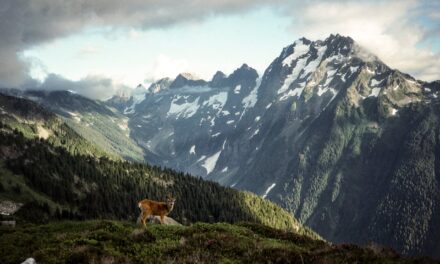

Sussex County’s identity has been shaped by mountains, mineral resources, and agricultural traditions that developed in relative geographic isolation from the urban centers to the east.
Located in the northwestern corner of New Jersey, Sussex County lies within the Appalachian Valley and Ridge region, where forested ridges, glacial lakes, and fertile valleys create a rugged, scenic landscape.
Its development differs from many other New Jersey counties because travel into and out of the area historically required crossing mountains and waterways. This produced strong local communities, a lasting agricultural tradition, and a slower pace of change that remains part of the county’s structure today.
Table of Contents
Early History and Lenape Presence
Prior to European settlement, Lenape people lived throughout the region, using the mountains and river valleys seasonally for hunting, fishing, and travel.
The Wallkill River, Paulins Kill, and Delaware River shaped movement and trade networks through the valleys, while trails followed ridgelines. The landscape required adaptation and familiarity, shaping a deep relationship with land and water.
Early European Settlement
Migration into the region increased in the early 1700s, primarily from settlers moving westward from New York and New England. Farms developed in valleys where soil and water access were favorable.
Natural Boundaries
Rugged terrain influenced settlement patterns:
- Valleys became agricultural centers
- Ridges remained woodland
- Travel followed waterways and mountain passes
Land determined the rhythm of daily life, rather than the reverse.
The Mining Era and Mineral Significance
Sussex County became known nationally for its mineral resources, particularly iron and zinc ore.
The New Jersey Zinc Company in Franklin and Ogdensburg operated some of the most significant zinc mines in the United States. Franklin’s mineral deposits are unique worldwide, producing fluorescent minerals that attract geologists and collectors.
The Franklin-Ogdensburg Mining District
The district gained international attention because:
- Dozens of rare minerals were first identified here
- Fluorescent minerals glow under ultraviolet light
- Geological diversity remains unmatched globally
Ironworks and Early Industry
Iron furnaces in the 18th and 19th centuries relied on:
- Ore from local mines
- Charcoal from forestlands
- Waterpower from streams
Mining shaped local economies, town identity, and even school and housing development. Industry made these small towns globally significant despite their remote setting.
Transportation and Rural Continuity
Unlike more urbanized parts of New Jersey, Sussex County retained a predominantly rural structure well into the 20th century due to limited direct transit links.
Railroads eventually connected Sussex to larger cities, but the mountain barriers limited industrial sprawl.
Rail and Market Access
Rail lines supported:
- Dairy farms transporting milk to city markets
- Iron and zinc shipments from mines
- Passenger travel for recreation into the highlands
Road Networks
Even with highways, travel remained defined by ridges and valleys. Long, scenic routes became part of the local identity.
The result is a county where land use remains open, farms remain active, and historic settlement patterns are preserved.
Agricultural Landscapes and Open Land
Agriculture has remained a central part of Sussex County’s economy and identity, with rolling farmland, orchards, and dairy operations continuing into the present.
Many farms are multi-generational, preserving both land and local knowledge.
Agricultural Patterns
Common products and operations include:
- Dairy and cattle farming
- Corn and hay fields across wide rural valleys
- Orchards and farm markets tied to seasonal traffic
- Christmas tree farms and roadside stands
Land Conservation
Large portions of the county fall within preserved open space, state parks, and watershed lands. This helps maintain ecological stability and scenic continuity.
Rural character is not an aesthetic trait here—it is lived land use.
Recreation, State Parks, and Natural Areas
Sussex County contains some of New Jersey’s most significant protected natural areas and trail systems.
Key outdoor destinations:
- High Point State Park with the state’s highest elevation and panoramic ridge views
- Wawayanda State Park with lakes, trails, and forest preserves
- Stokes State Forest, connecting campgrounds and trail networks
- The Delaware Water Gap National Recreation Area, on the county’s western border
- Appalachian Trail segments passing through Vernon and Pochuck Creek wetland boardwalks
The Pochuck Creek Boardwalk
The boardwalk section of the Appalachian Trail near Vernon offers:
- Wetland and marshland views
- Accessible trail surfaces
- Variety in elevation and landscape within one route
Your photo here will pair well with this—this landscape is a recognizable symbol of Sussex’s identity.
Distinct Town and Community Identities
Each town and township carries its own cultural and geographic character, shaped by local land use and history.
Examples:
- Newton: County seat with courthouse and institutional history
- Vernon: Mountain recreation, skiing, and the Appalachian Trail
- Sparta: Residential lake communities and suburban-town hybrid identity
- Franklin & Ogdensburg: Mining heritage visible in museums and geology sites
- Montague & Sandyston: Rural landscapes, farms, and Delaware River access
These differences are not stylistic—they are rooted in land, roads, and economic history.
Things to Do for Visitors and Residents
Sussex County offers accessible trails, small-town centers, seasonal farm activities, and educational historical sites.
Suggested experiences:
- Visit the Franklin Mineral Museum to see fluorescent minerals firsthand
- Hike or walk the Appalachian Trail Boardwalk at Pochuck Creek
- Drive the ridge roads through High Point State Park
- Explore Sparta or Newton for local dining and community events
- Visit orchards or farm markets during harvest season
- Attend fairs and festivals tied to agriculture and local heritage
The region rewards slower exploration rather than fast itinerary travel.
Final Thought
Sussex County remains one of New Jersey’s clearest examples of how geography guides history and daily life.
Its mountains and valleys supported early agriculture, its mineral deposits influenced global science, and its relative isolation preserved rural identity long after other regions shifted toward suburban development. Today, the county continues to balance land conservation, local industry, and outdoor recreation in ways that honor its landscape and heritage.
Its story is written in the land itself.