
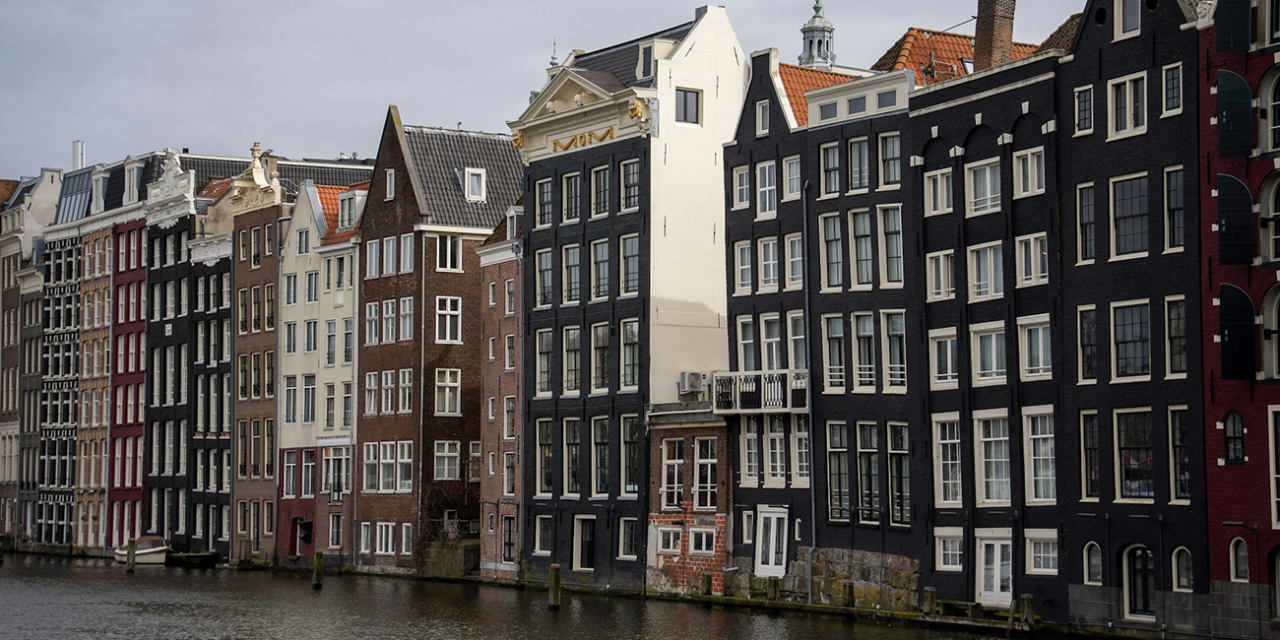
The Dutch story is one of exploration, commerce, resilience, and global influence—and its ripple effects still shape the modern world.
Long before skyscrapers stood in New York or shipping superpowers connected global trade lanes, Dutch explorers and merchants carved out routes that would define continents. Their journey across oceans wasn’t just about claiming land—it was about connecting cultures, building trading networks, and leaving behind a legacy still visible in place names, laws, architecture, and cultural attitudes today.
What follows is an expansive, modern re-telling of how the Dutch moved from Europe into the Americas and beyond—what motivated them, how their settlements took shape, why their influence mattered, and the lasting imprint they left on global history.
Table of Contents
Early Exploration and Settlement
Dutch exploration began as both a necessity and an ambitious commercial gamble.
As the 1500s drew to a close, the Netherlands—newly independent from Spanish rule—needed access to global trade routes. Portuguese and Spanish power blocked many of the traditional channels, so Dutch merchants did what they were famous for: innovating their way forward.
The Age of Exploration
The Dutch Republic was young, energetic, and commercially hungry. Shipbuilding innovation and maritime expertise positioned the Dutch at the center of global navigation. They began sending expeditions far beyond Europe in search of spices, resources, and new partners.
Key motivations included:
- Breaking the Spanish/Portuguese trade monopoly
- Establishing direct routes to Asia and the Americas
- Accessing furs, sugar, spices, and timber
- Building a merchant fleet capable of global dominance
By the early 1600s, Dutch ships were crossing both the Atlantic and the Indian Ocean with a level of efficiency and scale rarely seen before.
Henry Hudson and the Route to North America
In 1609, the Dutch hired Henry Hudson—an English captain with a stubborn streak—to search for a northwest passage to Asia.
Instead, Hudson sailed into what is now the Hudson River, laying the foundation for Dutch claims in North America.
His exploration set in motion:
- Dutch trading posts along the river
- Commercial partnerships with Indigenous nations
- The establishment of what would become New Netherland
Within a decade, merchants viewed Manhattan as a natural hub for trade, thanks to its harbor, river access, and strategic location.
Dutch Colonization in America
Unlike many European powers, the Dutch approached colonization through commerce—not conquest.
Their focus was trade, contracts, agreements, and profit. This shaped early American urban culture far more than many realize.
New Netherland and the Birth of New Amsterdam
By 1624, Manhattan became the center of Dutch colonial life in America. New Amsterdam grew rapidly—not as a military outpost but as a melting pot. Dutch merchants welcomed outsiders, valuing economic output over nationality or religion.
Characteristics of New Netherland included:
- Widespread cultural diversity
- Flourishing fur trade
- Strong partnerships with Indigenous nations
- Early forms of religious tolerance
- Distinct Dutch architecture and city planning
New Amsterdam, of course, would later become New York City—and many of the city’s traits (grids, commerce-first culture, multiculturalism) trace back to this era.
The Dutch in the Caribbean
Beyond North America, the Dutch carved out crucial footholds across the Caribbean. Islands such as Curaçao and Aruba became major hubs for:
- Trade between Europe and the Americas
- Shipping and ship repair
- Merchant exchange
- Regional governance
These islands contributed heavily to Dutch influence on Atlantic trade routes that stretched from Europe to the Americas and West Africa.
Expansion into South America and Africa
Dutch ambition didn’t stop with North America—they expanded rapidly into South America and parts of Africa, driven largely by commercial interests.
Dutch Brazil
In 1630, Dutch forces occupied northeastern Brazil, capturing several Portuguese-controlled regions. Dutch Brazil was known for:
- Sugar production
- Plantation innovation
- A more tolerant approach to religion
- Early scientific and cultural documentation of Brazil
Although Portuguese forces eventually reclaimed the territory in 1654, Dutch Brazil left a mark on agricultural and architectural patterns that persisted long after.
West African Outposts
The Dutch also established trading forts along Africa’s western coast. These sites were essential to:
- Gold trade
- Ivory exchange
- Maritime shipping
- The forced trafficking of enslaved Africans
While this chapter holds deep and lasting human cost, it is a critical part of understanding Dutch global impact and the far-reaching economic networks of the 17th century.
The Decline of Dutch Colonial Power
By the late 1600s, global competition intensified—and the Dutch found themselves facing stronger empires on multiple fronts.
The Loss of New Netherland
In 1664, the English seized New Netherland without major bloodshed, renaming New Amsterdam as New York. The Dutch briefly regained control in 1673 but permanently ceded the colony in 1674.
Despite losing the territory, the Dutch influence lived on in:
- Place names (Harlem, Brooklyn, Staten Island)
- Legal traditions
- Religious pluralism
- Early American political culture
Shifts in Trade and Power
As the world modernized, other nations—especially England and France—outpaced the Dutch militarily. The Dutch West India Company eventually dissolved, but its commercial legacy shaped the future of global capitalism.
Legacy and Impact
The Dutch left a legacy defined by innovation, tolerance, and global connectivity.
Their influence can still be seen today:
Cultural and Economic Contributions
- New York’s commercial spirit mirrors Dutch trade culture
- Dutch engineering influenced American farming, dike building, and water management
- Words like cookie, boss, and stoop trace to Dutch origins
- The Dutch model of multiculturalism influenced early American society
Continuing Global Connections
Today, the Netherlands remains a major player in:
- Global trade
- Sustainability and water management
- International diplomacy
- Cultural exchange
Modern partnerships still reflect the centuries-old links forged through exploration and commerce.
Conclusion
The Dutch journey to America and beyond is a story of courage, curiosity, and commerce—one that shaped continents and cultures in ways still felt today.
From the founding of New Amsterdam to the expansion of trade networks across Africa, the Caribbean, and South America, the Dutch helped lay the foundation for modern global trade and multicultural exchange.
Their history is complex—marked by innovation, diplomacy, ambition, and painful colonial legacies—but undeniably essential to understanding the world as it exists today.