Warren County’s history has been shaped by its rivers, mountain valleys, iron and canal industries, and a long agricultural tradition that still defines much of its landscape.
Located along New Jersey’s northwestern border with Pennsylvania, Warren County sits within the Kittatinny Valley and the Delaware River corridor. The region developed more slowly than counties closer to the coast because transportation required navigating ridges, river crossings, and winding valleys.
As a result, Warren County retains a visible rural character, historic communities that follow natural contours, and a strong continuity between past and present daily life.
Table of Contents
Indigenous Settlement and Early Travel Routes
Before European arrival, Lenape communities lived along the Delaware and Musconetcong Rivers, using fertile floodplains, forests, and hunting routes across the region.
The rivers provided fishing, travel, and seasonal migration corridors, while trails followed the ridges of the Kittatinny Mountains. These paths informed many of the early colonial roads that still define travel patterns today.
Early Colonial Settlement
European settlement began in the early 1700s, driven by:
- Fertile valley farmland
- Access to water power for mills
- Iron ore deposits across ridges and hills
Small towns grew where mill sites and road crossings aligned, forming compact village centers that remain recognizable.
Iron, Industry, and the Morris Canal
The county became a significant industrial region in the 19th century, with iron furnaces, mills, and transportation networks shaping economic growth.
Iron ore from local hills fed furnaces and forges, while forests supplied charcoal for smelting. Industry developed along waterways that provided power.
The Morris Canal
Completed in the 1830s, the Morris Canal passed directly through Warren County, using inclined planes to move coal and goods between the Delaware River and Newark. This engineering system was considered one of the most complex of its time.
Canal-Era Town Development
Towns influenced by canal traffic included:
- Phillipsburg, a river port and industrial center
- Hackettstown, a commercial and transport hub
- Washington, known for manufacturing and trade
The canal created patterns of movement and commerce that shaped road and rail routes even after its decline.
Railroads and Industrial Expansion
Rail transportation eventually replaced canal shipping, amplifying Warren County’s industrial reach.
Rail lines linked the county to regional manufacturing networks and major cities, supporting the growth of factories, warehouses, and distribution hubs.
Phillipsburg as a Rail and River Center
Phillipsburg became a major rail junction, connecting multiple rail lines and supporting steel production and other heavy industries. Its location across from Easton, Pennsylvania, positioned it as a borderland commercial city.
Milling and Food Production
Mills along the Musconetcong and Pohatcong Creeks processed grain and agricultural products, sustaining both local communities and regional markets.
Transportation shaped economic identity more than population size.
Agricultural Legacy and Rural Continuity
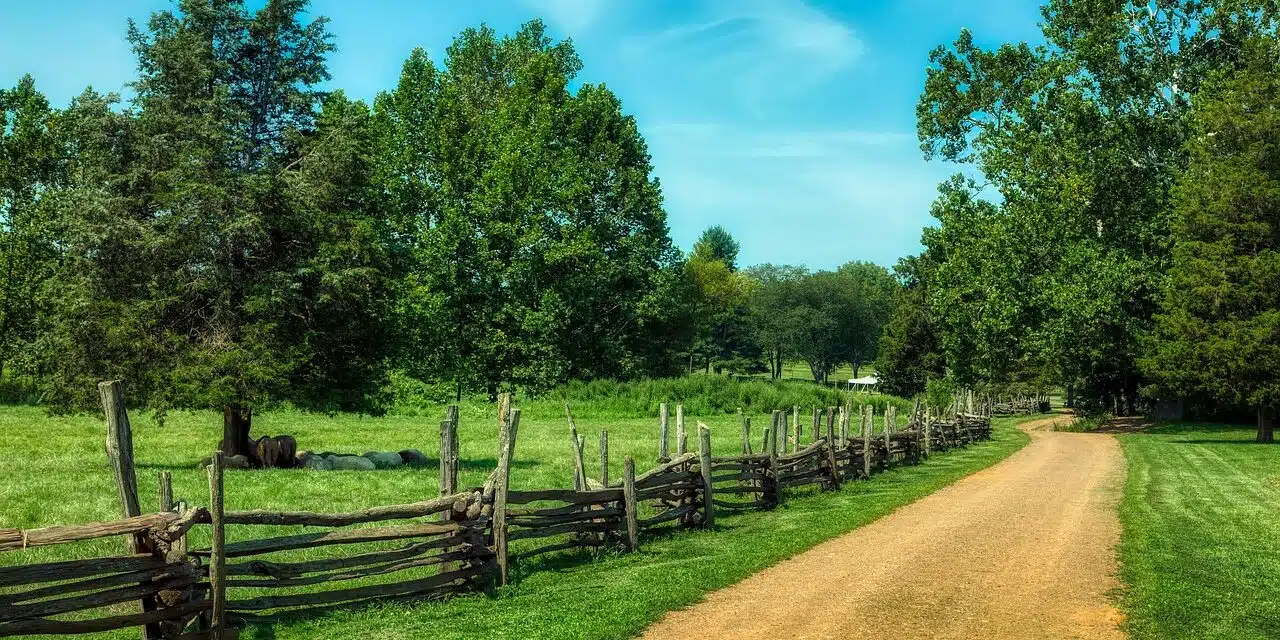
Agriculture has remained central to Warren County’s landscape and identity from the 18th century to today.
Valley soil supports crops, orchards, and dairy operations, while ridgelines maintain woodland and preserve open space.
Agricultural Patterns
Common operations include:
- Dairy and cattle farming
- Corn, wheat, and hay production
- Orchards and pumpkin farms
- Roadside stands are tied to seasonal tourism
Conservation and Land Stewardship
Large areas of the county maintain agricultural zoning and protected land status, sustaining both ecological continuity and rural character.
The landscape remains lived, not re-created for show.
Villages, Towns, and Regional Character
Warren County’s municipalities vary in tone and scale, influenced by transportation access, industry, and topography.
Phillipsburg
Industrial heritage, river crossing infrastructure, and historic rail facilities.
Hackettstown
Home to Centenary University, small downtown commercial life, and surrounding farmland.
Belvidere
County seat with preserved 19th-century architecture and quiet residential neighborhoods.
Washington and the Musconetcong Valley
Manufacturing history and small-town commercial corridors tied to mill and rail development.
Parks, Trails, and Natural Areas
Warren County contains widely-used outdoor recreation spaces, many of which follow river and ridge systems.
Key destinations:
- Delaware Water Gap National Recreation Area (shared nearby access)
- Jenny Jump State Forest, known for ridge trails and scenic overlooks
- Allamuchy Mountain State Park, with mountain biking and hiking trails
- Pohatcong Creek and Musconetcong River, popular for fishing and paddling
The Paulinskill and Sussex Branch Trails follow historic railbeds, offering long stretches of walkable and bikeable rural scenery.
Things to Do for Visitors and Residents
Warren County offers historic tours, farm visits, river access, festivals, and outdoor recreation.
Recommended activities:
- Walk the Morris Canal Greenway remnants and interpretive sites
- Visit Phillipsburg and Easton for riverfront heritage and rail landmarks
- Tour local wineries and orchards during harvest seasons
- Paddle the Delaware River for scenic views and wildlife observation
- Explore Belvidere’s historic district on foot
- Attend county fairs and seasonal farm events that highlight local agriculture
Warren County rewards thoughtful, slower-paced exploration rather than rapid sightseeing.
Final Thought
Warren County’s history demonstrates how geography, transportation, and resource availability guide the development of communities over generations.
Its ridges and river valleys shaped travel and settlement; its mines and mills created early industry; and its farmland remains a defining feature of daily life. The county continues to balance historical continuity and natural landscape preservation in ways that reflect its long regional identity.
The result is a place where the past remains structurally present and functionally lived.