Maui is one of the most well-known residential islands in the Hawaiian archipelago, combining developed infrastructure with geographically constrained land use.
Life on the island is shaped by history, environment, culture, and policy rather than tourism imagery alone.
Table of Contents
The Aloha Spirit as a Social Framework
The Aloha Spirit functions as a codified social ethic rather than a casual expression of friendliness.
In Hawaiʻi, “Aloha” carries legal, cultural, and behavioral meaning. Under Hawaiʻi state law, the Aloha Spirit is formally recognized as a guiding principle for civic conduct and public service. On Maui, this ethic surfaces in daily interactions, conflict resolution, and community expectations.
Rather than promoting superficial cheerfulness, the Aloha Spirit emphasizes mutual respect, restraint, and accountability.
Social friction is often managed indirectly, with preference given to harmony and continuity over confrontation.
This framework affects workplace behavior, neighborhood relations, and the pace of decision-making, shaping how residents interact across social and economic boundaries.
Cultural Unity Within a Multicultural Population
Maui’s population reflects layered migration patterns rather than a single dominant cultural identity.
Modern Maui communities include Native Hawaiian families, descendants of Japanese, Filipino, Chinese, and Portuguese laborers, and mainland transplants.
These groups coexist through shared norms rather than assimilation into a single cultural standard.
Cultural unity emerges through:
- Shared public festivals and local traditions
- Respect for land usage and ancestral sites
- Cross-cultural participation in schools and civic life
Cultural differences remain visible, but social cohesion is maintained through long-standing norms of tolerance and non-interference.
Family-Centered Community Structure
Extended family networks play a central role in residential stability on Maui.
Multi-generational households are common, driven by both cultural tradition and housing constraints.
Family relationships influence childcare, elder care, and informal economic support systems.
Weekend life on Maui often centers on:
- Family gatherings rather than commercial entertainment
- Shared meals and beach outings
- Community sports, school events, and church activities
This structure reinforces continuity, lowers social isolation, and strengthens neighborhood familiarity.
A Slower Pace of Daily Life
Maui operates on a time standard influenced by geography and infrastructure limitations.
Traffic capacity, shipping schedules, and limited land development contribute to a tempo that differs from major mainland cities.
Expectations around urgency and responsiveness are adjusted accordingly.
The slower pace affects:
- Government processes
- Construction timelines
- Retail logistics and service availability
For residents accustomed to high-density urban speed, this shift requires behavioral adaptation rather than simple preference.
Attitudes Toward Work and Leisure
Maui residents tend to place experiential quality on equal footing with material output.
Work remains essential, particularly in healthcare, education, construction, and hospitality.
However, leisure is not treated as secondary or indulgent.
Social value is placed on balance rather than accumulation.
Common leisure priorities include:
- Ocean access and beach time
- Community sports and paddling
- Informal socializing rather than scheduled entertainment
This orientation influences lifestyle budgeting, career choices, and long-term residency decisions.
Natural Environment as a Daily Constant
Maui’s environment directly shapes residential planning, recreation, and health outcomes.
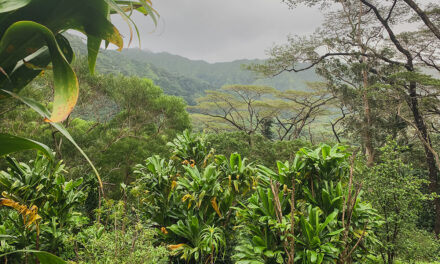
The island contains microclimates ranging from dry leeward plains to rainforests and high-altitude volcanic terrain.
Residents interact with these environments regularly rather than occasionally.
Environmental exposure includes:
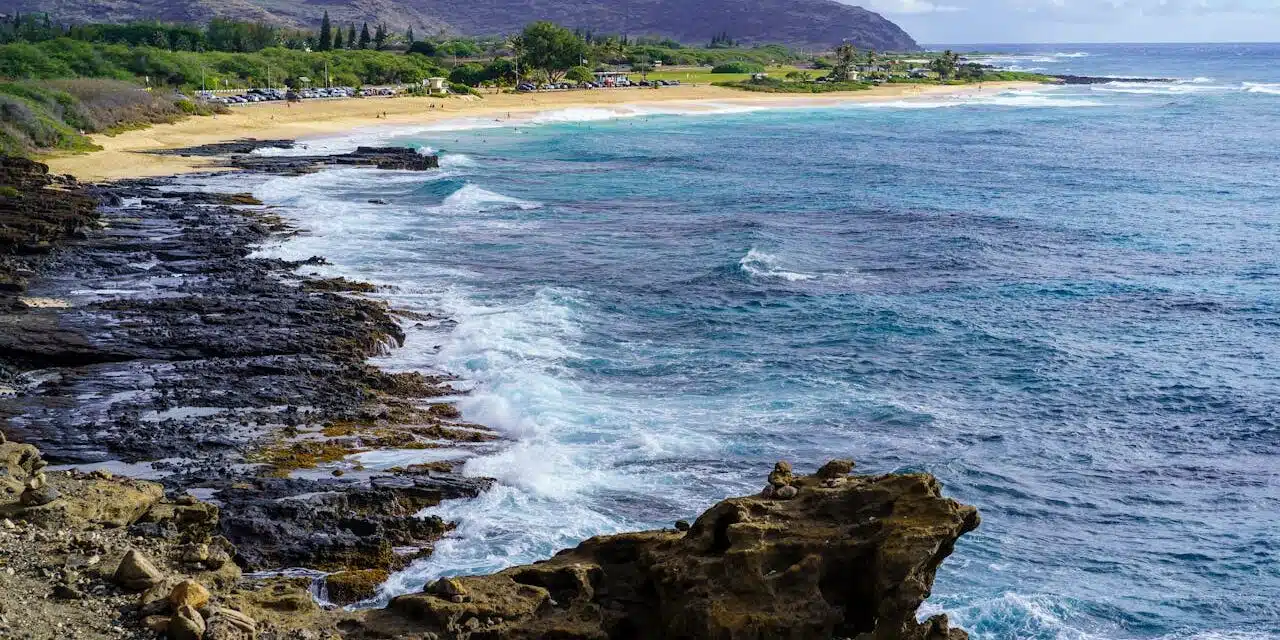
- Daily visibility of coastlines and mountains
- Proximity to conservation zones and protected land
- Seasonal weather variations affecting water use and agriculture
The environment is not merely scenic but operational in shaping daily routines.
Outdoor Access Integrated Into Lifestyle
Outdoor activity on Maui is woven into daily life rather than treated as a separate recreational category.
Accessibility to beaches, trails, and ocean conditions reduces barriers to consistent physical activity.
Outdoor engagement spans all age groups and income levels.
Common pursuits include:
- Swimming, snorkeling, and paddling
- Hiking and trail walking
- Shoreline fishing and sailing
These activities function as routine wellness practices rather than special outings.
Environmental Factors Supporting Physical Health
Maui’s air quality and land-use policies contribute to measurable health advantages.
The island benefits from:
- Low industrial density
- Consistent trade winds dispersing pollutants
- Limited high-emission transportation corridors
While healthcare access varies by region, baseline environmental conditions support respiratory health and outdoor mobility.
Health outcomes are shaped by environment, activity patterns, and community norms rather than isolated lifestyle choices.
Living in Maui Q&A
Is Maui primarily structured for tourists or residents?
Maui supports both populations, but zoning laws, community organizations, and public schools reflect long-term residential needs.
Does Maui have a unified culture?
Maui maintains cohesion through shared norms rather than cultural uniformity.
Is life on Maui slower than on the mainland?
Daily life generally proceeds at a slower pace due to infrastructure limits and local expectations.
Are family networks important on Maui?
Extended family connections are a core feature of community life and residential stability.
Does the environment affect health outcomes on Maui?
Clean air, outdoor access, and climate conditions contribute positively to baseline physical health.