
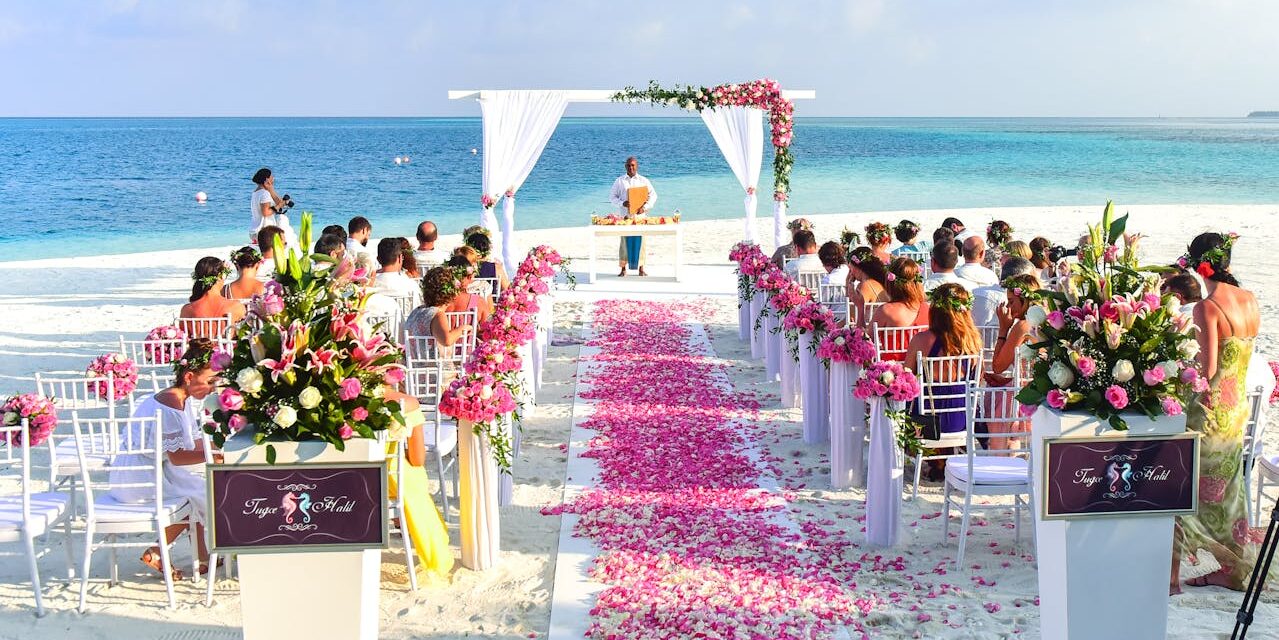
A wedding ceremony is a formal sequence of actions, statements, and acknowledgments that establish a legal and symbolic union.

While personal elements may be incorporated, the ceremony itself follows a recognizable structure designed to guide participants, witnesses, and officiants through a clear progression.

A well-organized ceremony balances clarity, pacing, and intention.

When structured correctly, it avoids confusion, minimizes delays, and ensures that all required components are completed in proper order.

Core Structure of a Wedding Ceremony

Most wedding ceremonies follow a predictable and functional sequence.

The order outlined below reflects common practice across secular and religious-neutral ceremonies.

Variations may occur based on cultural tradition, legal requirements, or personal preference, but the structural logic remains consistent.

Key goals of ceremony structure include:

  • Clear progression from arrival to conclusion
  • Recognition of participants and witnesses
  • Verbal confirmation of mutual consent
  • Formal declaration of marriage

Processional

The processional marks the formal beginning of the ceremony.

Participants enter in a defined order that establishes roles and focus.

Music often accompanies this phase, signaling transition from gathering to ceremony.

Typical processional order includes:

  • Groom and officiant positioned at the altar or ceremony front
  • Maid of Honor and Best Man
  • Bridesmaids and groomsmen in paired or individual entry
  • Ring bearer
  • Flower bearer
  • Bride escorted by a parent or guardian

The order may be adjusted to reflect family structure or personal choice, but consistency matters.

Welcome and Opening Address

The officiant formally acknowledges the gathering.

This segment establishes purpose, recognizes the significance of the occasion, and welcomes attendees.

It may also include acknowledgment of absent loved ones.

A standard welcome often includes:

  • Greeting of family, friends, and witnesses
  • Statement of purpose for the gathering
  • Brief acknowledgment of those unable to attend

Tone should remain clear and composed, setting the pace for the ceremony.

Invocation or Opening Reflection

This segment sets the ceremonial tone.

Depending on preference, the invocation may be spiritual, philosophical, or symbolic.

It serves to focus attention and emphasize shared values.

Common approaches include:

  • Invitation of peace, love, or unity
  • Brief reflection on partnership and commitment
  • Moment of collective attention or silence

This element is optional but often included.

Reading or Personal Reflection

Readings provide narrative or emotional context.

This portion may include a short reading, story, or reflection relevant to the couple.

It should remain concise to preserve pacing.

Options commonly used:

  • Short literary or poetic excerpt
  • Brief narrative summary of the couple’s journey
  • Cultural or philosophical reflection

This segment bridges formality and personalization.

Exchange of Vows

Vows constitute the core contractual moment of the ceremony.

Vows may be written by the couple or provided in a standardized format.

Regardless of style, vows represent voluntary commitment.

Important considerations include:

  • Clear language affirming intent
  • Mutual exchange
  • Audible delivery for witnesses

Length should remain measured to maintain ceremonial balance.

Declaration of Intent (“I Do”)

This segment confirms legal consent.

The officiant asks each partner to affirm willingness to enter marriage.

These statements satisfy formal requirements in many jurisdictions.

Standard phrasing typically includes:

  • Direct question to each participant
  • Verbal affirmation

This moment carries legal weight and must not be omitted.

Pronouncement and Kiss

The officiant formally declares the marriage.

Upon completion of vows and declarations, the officiant announces the union according to legal authority.

The pronouncement generally includes:

  • Statement recognizing the marriage
  • Acknowledgment of governing jurisdiction
  • Invitation for the couple to share a kiss

This marks the official conclusion of the ceremonial act.

Presentation of the Couple

The newly married couple is formally introduced.

The officiant announces the couple to attendees, signaling transition from ceremony to celebration.

Common formats include:

  • Introduction using shared last name
  • Alternative introduction reflecting name choice

Wording should be confirmed in advance.

Recessional

The ceremony concludes with an organized exit.

Music typically resumes as participants exit in reverse or planned order.

A common recessional sequence includes:

  • Newly married couple
  • Bridal party
  • Parents
  • Officiant
  • Guests

Clear direction prevents congestion and confusion.

Wedding Ceremony Script Q&A

Is a wedding ceremony required to follow a strict format?

No. While many ceremonies follow traditional structure, formatting may vary as long as legal requirements are met.

Which parts of a ceremony are legally required?

Requirements vary by jurisdiction, but declarations of consent and an official pronouncement are commonly required.

Can ceremonies be secular or non-religious?

Yes. Many ceremonies use neutral language and symbolic elements instead of religious references.

How long does a typical ceremony last?

Most ceremonies last between fifteen and thirty minutes, depending on readings and customization.

Can wording be customized?

Yes. Vows, readings, and introductions are commonly personalized within a structured framework.

Should ceremony participants rehearse?

Yes. A rehearsal helps ensure smooth timing, proper positioning, and clarity for all participants.