
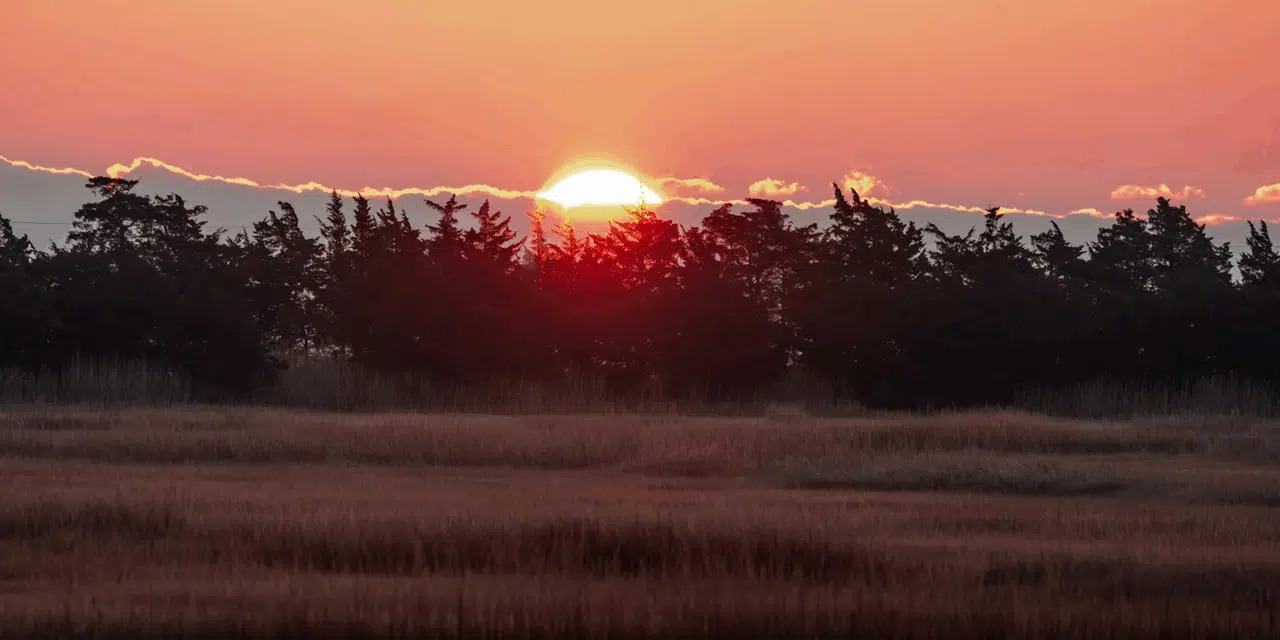
Egg Harbor’s history stretches from Indigenous roots to a modern coastal destination with its own personality.
Egg Harbor sits in a part of New Jersey shaped by waterways, forests, and trade routes, and its story unfolds in layers—Lenape settlement, Dutch exploration, early colonial industry, and the long evolution into the coastal-and-pinelands community residents know today.
Before resorts, before highways, and long before summer travelers filled the shoreline, this area grew around its natural resources and its connection to the Atlantic.
Today, both locals and visitors feel those deep roots in the landscape, the food, and the day-to-day rhythm of the town.
Table of Contents
Indigenous and Early European Foundations
Long before any European charted the coastline, the Lenni-Lenape lived throughout South Jersey, including the forests and waterways that would later become Egg Harbor Township and its surrounding communities.
They used the marshes, rivers, and creeks for fishing and transportation, and seasonal migration patterns shaped how the land was used.
When Dutch and Swedish explorers arrived in the 1600s, the wide bay and river systems helped guide them inland. The name “Egg Harbor” is often attributed to the Dutch explorer Cornelius Jacobsen Mey, who reportedly saw the shoreline filled with bird eggs during nesting season.
Whether literal or simply poetic, the name stuck—and it became one of the earliest mapped areas of coastal New Jersey.
A Place Built Around Water
Egg Harbor’s waterways shaped nearly everything: commerce, settlement patterns, and early industry.
Throughout the 1700s, shipbuilding, fishing, and small-scale farming allowed the area to grow. The region’s salt marshes produced salt hay—a valuable material for bedding, feed, and erosion control.
Meanwhile, creeks and channels supported oystering and crabbing long before commercial seafood became an industry.
Water-driven life created lasting traditions
- Boats were essential for both work and transportation.
- Family land often ran from higher ground straight into marshland.
- Food traditions—fish stews, crab dishes, local produce—became generational staples.
You can still see this heritage today in roadside seafood markets, marinas in tucked-away coves, and stretches of land where families have lived for decades.
Growth Through the 19th and 20th Centuries
By the 1800s, Egg Harbor was transforming from scattered settlements into a more defined township.
Agriculture expanded, especially berries and orchard crops. Roads connected the region more directly to towns like Hammonton, Galloway, and what would eventually become Atlantic City.
Railroads played a major role, carrying local produce out and bringing visitors in.
The proximity to the coast made Egg Harbor part of the larger South Jersey resort corridor—close enough to benefit from tourism but far enough to maintain its own identity.
During the 20th century, especially post-World War II, suburban growth reshaped much of the area. Families moved in from nearby cities, housing expanded along new commute routes, and schools, parks, and community centers formed the framework residents know today.
What Egg Harbor Feels Like for Locals
Egg Harbor blends suburban comfort with piney-woods quiet and quick access to coastal destinations.
Many residents love it for its space, ease, and the calm that comes from living near both water and forest. Neighborhoods range from long-established pockets to newer developments, but there’s a consistent sense of being part of South Jersey’s landscape rather than apart from it.
What locals appreciate most
- Easy access to nature—creeks, trails, marshes, forests
- A peaceful pace without being far from shopping or dining
- Longstanding family businesses and restaurants
- Room to grow a household without sacrificing convenience
The community also draws people who want to be near the Atlantic County shoreline without being directly in a resort town.
What Makes Egg Harbor Great for Visitors
Visitors often use Egg Harbor as a home base for exploring the region, thanks to its position between the Jersey Shore, the Pine Barrens, and the historic towns that dot Atlantic County.
Popular things to explore nearby
- Beaches and boardwalks in less than a 25-minute drive
- Nature preserves and wildlife sanctuaries ideal for birdwatching
- Vineyards and breweries offering tours and tastings
- Historic villages and museums that reveal more of South Jersey’s story
Because Egg Harbor is less congested than oceanfront towns, many travelers appreciate its quieter lodging options and spacious surroundings.
Egg Harbor and the Pine Barrens Connection
One of the most distinctive features of the area is its location along the edge of the Pine Barrens—over one million acres of protected forest, wetlands, and sandy soil unique to New Jersey. This region has its own folklore, plant species, wildlife, and cultural identity.
Visiting the Pine Barrens from Egg Harbor is easy, and it offers everything from kayaking to photography to quiet scenic drives.
The contrast of pine forest meeting coastal marshland is one of the geographic signatures that makes this part of the state memorable.
The Modern Energy of Egg Harbor
Today, Egg Harbor stands as a mix of heritage and modern-day living.
Shopping centers and community parks sit near winding backroads. New families settle beside older generations. And the character of the place—unhurried, coastal, grounded in nature—remains consistent even as development evolves.
Local festivals, school events, small businesses, and community sports programs keep the area lively. While it doesn’t try to be flashy, Egg Harbor offers the kind of steady, authentic environment that makes people feel at home.
What Future Growth Looks Like
Egg Harbor continues to balance development with preservation.
As Atlantic County grows, transportation updates, expanded recreation areas, and community services remain ongoing conversations. Many residents value protecting open space and habitat while still welcoming thoughtful improvements that support families and businesses.
The future of Egg Harbor will likely be just as layered as its past—rooted in the land, shaped by its waterways, and guided by a community that values both progress and preservation.
Final Thoughts on Egg Harbor’s Story
Egg Harbor’s history is the intersection of nature, resourcefulness, and long-standing community.
From its Lenape heritage to its Dutch naming, from boatbuilding days to suburban growth, Egg Harbor has always adapted while keeping its identity intact. It offers locals a peaceful place to live and gives visitors an authentic look at South Jersey—beyond the tourism-heavy shoreline and deeper into the region’s real character.
Whether someone comes for the marsh views, the proximity to beaches, or the down-to-earth community energy, Egg Harbor remains a place where the past and present live comfortably side by side.