
Franklin Township’s history is one of resilience, diversity, and growth—stretching from early colonial farms and canal villages to one of New Jersey’s most vibrant, culturally rich townships.
Located in Somerset County, Franklin Township includes several historic villages, preserved landscapes, and neighborhoods that reflect centuries of development. Today, it’s one of New Jersey’s most populous and diverse communities, but its story began long before suburban expansion or modern infrastructure.
Table of Contents
Early Life in the Region: Lenape and First Settlers
Before Europeans arrived, Franklin Township’s land was home to the Lenape people, who fished, hunted, and traveled along the Raritan River and its tributaries.
The region offered woodlands, fertile soil, and waterways that supported small Lenape communities. These natural features would later attract Dutch and English settlers in the 1600s and 1700s.
European settlement expanded gradually as farmland was cleared and homesteads multiplied. Early records show that the area’s rolling fields and proximity to waterways made it ideal for agriculture.
Official Incorporation: Franklin Township (1798)
Franklin Township became an official New Jersey township on February 21, 1798—one of the state’s original 104 townships.
Named after Benjamin Franklin, the township formed from colonial-era settlements clustered near the Raritan River. Farming dominated daily life, and families lived in small, close-knit villages.
Notable early communities included:
- East Millstone
- Kingston
- Griggstown
- Middlebush
Each had its own character, churches, general stores, and mills.
Canals, Mills, and Transportation Transform the Township
The 19th century brought massive change as the Delaware & Raritan Canal became one of the most important shipping routes in New Jersey.
Completed in the 1830s, the canal passed directly through Franklin Township, creating several thriving canal villages. Goods such as lumber, coal, grain, and stone moved efficiently through the region, encouraging settlement and commerce.
Impact of the Delaware & Raritan Canal
The canal:
- boosted local business
- attracted workers and families
- encouraged construction of mills and warehouses
- connected Franklin Township to major economic centers
Places like Griggstown, Rocky Hill, and Kingston still show remnants of this era through historic canal houses, bridges, and towpaths.
The Railroad Era: A New Phase of Growth
Railroads arrived in the mid-to-late 1800s, further propelling Franklin Township’s economy.
Lines such as the Reading Railroad and later the Lehigh Valley Railroad linked the township to major manufacturing hubs, markets, and urban centers.
These transportation advances:
- made farming more profitable
- attracted small industries
- encouraged suburban-style housing near stations
Franklin became a bridge between rural New Jersey and the rapidly industrializing cities nearby.
A Township of Many Villages
One of Franklin Township’s most defining traits is its structure: instead of a single downtown, it evolved as a township of villages.
Key villages include:
- Middlebush – known for its historic churches and early Dutch settlement
- East Millstone – a canal village with preserved 19th-century architecture
- Griggstown – rustic canal and mill history
- Kingston – a village split between multiple municipalities, rich with colonial heritage
- Franklin Park – a major growth area during the suburban boom
- Somerset – now one of the most populous parts of the township
Each area grew at its own pace, creating the patchwork identity Franklin Township still has today.
20th Century Suburban Expansion
After World War II, Franklin Township transformed from rural farmland into a rapidly growing suburban community.
This period brought:
- residential developments
- shopping centers
- new schools
- expanded roadways
- parks and preserved natural lands
By the 1960s and 1970s, Franklin Township became one of Somerset County’s fastest-growing municipalities. Its diverse population increased significantly as people from New York and North Jersey moved into the township’s newer neighborhoods.
Cultural and Demographic Diversity Takes Root
Today, Franklin Township is one of New Jersey’s most diverse townships, shaped by decades of immigration and community expansion.
Residents represent a wide range of cultural, ethnic, and linguistic backgrounds. This diversity helped build:
- thriving restaurants
- vibrant religious institutions
- active community groups
- multicultural festivals and events
The township’s inclusive community identity is now one of its strongest characteristics.
Nature Preserves, Parks, and Rural Character
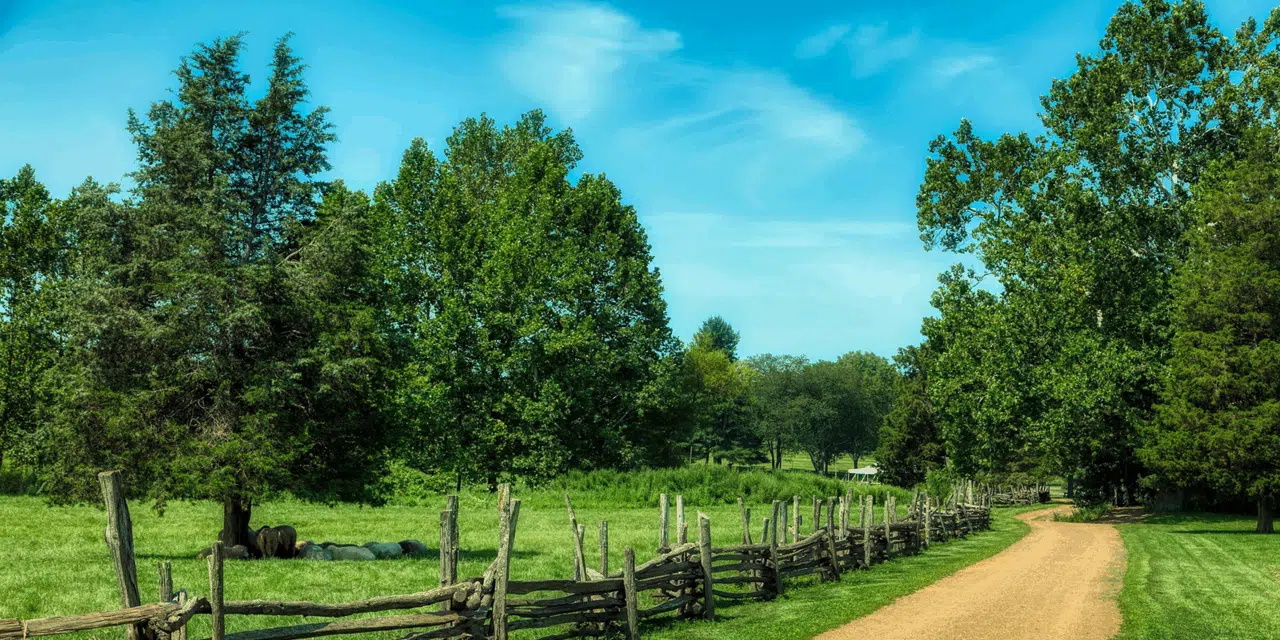
Despite suburbanization, Franklin Township maintains large zones of preserved land.
Key natural areas include:
- Six Mile Run Reservoir Site – popular for hiking and wildlife
- Negri-Nepote Grasslands Preserve
- Delaware & Raritan Canal State Park Trail
These spaces reflect the township’s commitment to conservation and its connection to the rural heritage of central New Jersey.
Modern Franklin Township: Growth With Balance
Franklin continues to grow but places significant focus on planning, community development, and preserving history.
Recent decades brought:
- modern housing
- corporate parks
- mixed-use developments
- community centers
- cultural arts programs
The township today balances suburban convenience with historic villages and open green spaces—something few New Jersey municipalities can claim.
Q&A: Common Questions About Franklin Township, New Jersey
What is Franklin Township best known for?
Franklin Township is known for its diverse population, historic villages, and scenic access to the Delaware & Raritan Canal.
It blends suburban living with preserved natural landscapes.
Is Franklin Township the same as Franklin Borough or other Franklins in New Jersey?
No—New Jersey has multiple municipalities named Franklin, and this one is Franklin Township in Somerset County.
It is one of the largest and most historically significant of the Franklins.
What historic sites can visitors explore in Franklin Township?
East Millstone, Griggstown, Kingston, and Middlebush offer preserved buildings, canal paths, and 18th–19th-century architecture.
Why does Franklin Township have so many villages?
Because the township grew from separate settlements rather than one central downtown.
These villages formed around canals, mills, farms, and early transportation routes.
Is Franklin Township still growing today?
Yes. It remains one of Somerset County’s most active municipalities for residential and commercial development.
Growth continues while the township also expands its parks and preservation efforts.