
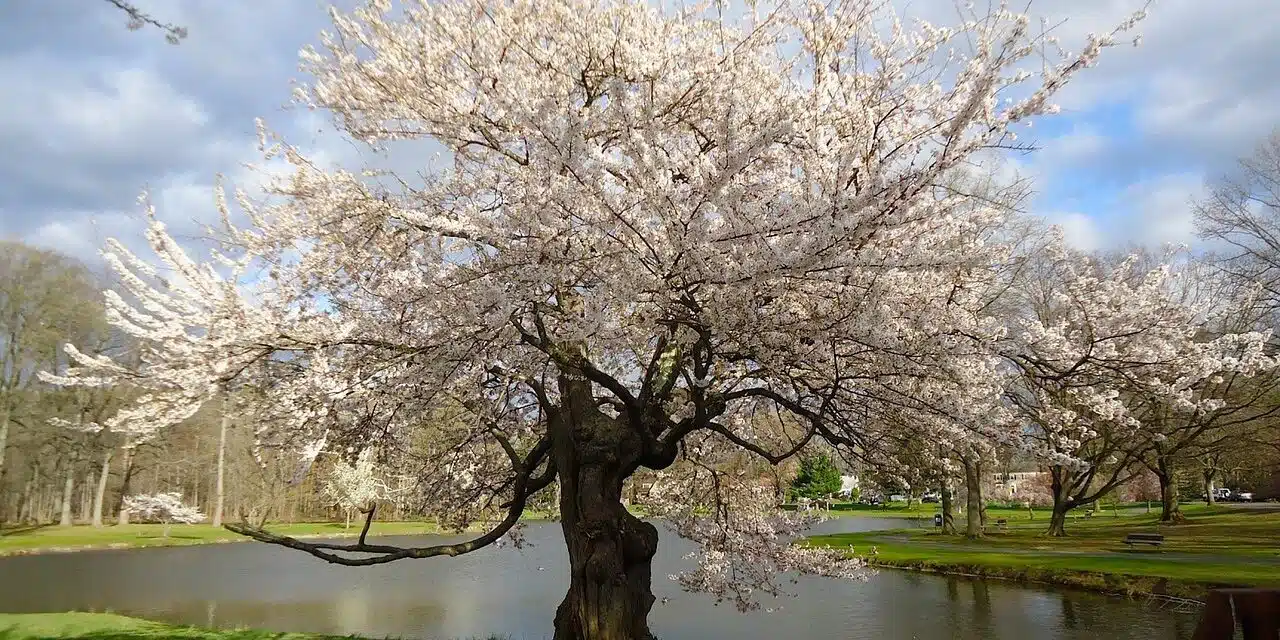
Hunterdon County’s history has been shaped by its agricultural valleys, river crossings, early mill towns, and preserved rural landscapes that still define its identity today.
Located in western New Jersey along the Delaware River, Hunterdon County developed more slowly than coastal and urban regions, resulting in town centers that retain historic architecture and open countryside that remains actively farmed. Its hills, woodlands, and rivers encouraged small, self-contained communities rather than dense industrial centers.
The county’s character today reflects continuity—land use, transportation corridors, and town layouts still align closely with patterns established in the 18th and 19th centuries.
Table of Contents
Indigenous Presence and Early Settlement
Before European settlement, Lenape communities traveled the Delaware River valley and surrounding uplands, using the river for fishing, trade, and movement between seasonal sites.
The river served as both a resource and a transportation route, and many modern roads follow the same alignments as earlier travel paths.
Colonial Settlement and Land Division
European settlement increased in the early 1700s as English, German, and Dutch families acquired farmland and built small mills powered by creeks. Settlements developed near fertile valleys and navigable waterways.
Formation of the County
Hunterdon County was officially established in 1714, one of the earliest county jurisdictions in New Jersey. At the time, its boundaries extended far beyond the current lines, gradually reducing as newer counties were formed.
Agriculture, Mills, and River Towns
Agriculture became the dominant economic foundation, supported by milling operations along rivers and creeks.
The county’s rolling farmland and waterpower encouraged the growth of small towns rather than concentrated industrial cities.
Mill and Market Town Development
Many modern towns began as mill villages, including:
- Clinton, centered around the Red Mill and the South Branch of the Raritan River
- Flemington, which grew into the county seat and a regional market town
- Lambertville, which combined mill activity with river trade and later cultural development
Delaware River Transportation
River access supported both shipping and ferry crossings. Lambertville and Stockton grew as transportation and trade hubs linked to Pennsylvania towns across the river.
The county’s identity has always been tied to the presence of the Delaware.
Canals, Railroads, and 19th-Century Mobility
The 19th century brought new transportation networks that strengthened town centers and regional commerce.
The Delaware and Raritan Canal, built in the 1830s, ran parallel to the Delaware River and supported the movement of goods to Trenton and New Brunswick.
Railroads Followed Canal Paths
Rail lines eventually replaced canal shipping, yet they reinforced the same routes:
- Lambertville and Frenchtown became river rail towns
- Flemington developed rail access that supported markets and manufacturing
- Rural communities gained greater connection to regional centers
Transportation expanded economic opportunity without erasing the county’s rural foundation.
Civic Identity and County Institutions
Flemington emerged as the administrative and civic center, hosting government buildings, courts, and market functions.
The town’s courthouse became nationally known during the 1935 Lindbergh kidnapping trial, drawing journalists and spectators from across the country.
Public and Cultural Institutions
Museums, historical societies, farm preservation organizations, and public libraries across the county continue to document and interpret the region’s long agricultural and civic history.
Regional Planning and Preservation
The county has taken an active role in farmland preservation, open space initiatives, and maintaining development patterns that match historic settlement.
Rural Landscape, Parks, and Outdoor Activity
Hunterdon County contains large preserved natural areas, riverfront access, and extensive networks of trails and scenic routes.
Key natural and recreational destinations:
- Hunterdon County Arboretum and connecting trail systems
- Ken Lockwood Gorge, known for trout fishing and river hikes
- Spruce Run Reservoir, offering boating and seasonal recreation
- Cushetunk Mountain, with ridge trails and forested slopes
- Delaware River towpaths, supporting biking and walking along canal remnants
The outdoor landscape is accessible, lived-in, and remains central to local identity.
Towns, Villages, and Community Character
Hunterdon County’s towns maintain distinct personalities shaped by architecture, geography, and local commerce.
Clinton
Red Mill Museum Village, riverwalks, historic stone buildings, and small shops.
Lambertville
Art galleries, antique shops, canal path access, and a walkable riverfront connected to New Hope, Pennsylvania.
Flemington
County seat, historic district, and central hub for civic activity.
Frenchtown and Stockton
Small river towns with strong local identity, independent shops, and scenic access routes.
Rural Townships
Townships such as Raritan, Tewksbury, Delaware Township, and East Amwell emphasize farmland, open space, local stewardship, and low-density settlement.
Things to Do for Visitors and Residents
The county encourages slower-paced exploration centered around river access, historic town centers, and rural scenic routes.
Recommended experiences:
- Walk and shop in Lambertville’s arts and antique district
- Visit the Red Mill and Clinton’s pedestrian-friendly river center
- Bike the D&R Canal Trail between Stockton, Lambertville, and Frenchtown
- Drive the scenic ridge roads through Tewksbury and Lebanon Township
- Tour seasonal farm markets and orchards in the summer and fall
- Explore the riverside cafes and bookshops of Frenchtown
Hunterdon rewards time spent walking rather than rushing.
Final Thought
Hunterdon County’s identity reflects the steady continuity of land, river, community, and preserved rural patterns.
Its historic mill towns, farming valleys, and river crossings remain central to daily life rather than staged or reconstructed. The county continues to balance heritage and modern use by maintaining the landscapes and settlement patterns that shaped it.
Here, history is both visible and quietly lived.