
Vineland’s history is one of bold ideas, agricultural innovation, immigration, and a vision for a “planned utopian town” that set it apart from others in New Jersey.
Located in Cumberland County, Vineland is the result of one man’s extraordinary ambition paired with fertile land, diverse settlers, and a community spirit that still defines the city today. What began as a carefully designed agricultural colony quickly grew into a thriving center for farming, industry, culture, and scientific progress.
Below is a detailed look at how Vineland formed, expanded, changed, and became the city known today—followed by a helpful Q&A to answer common questions for curious readers and researchers.
Table of Contents
Early Roots: The Land Before Vineland
Before Vineland existed, the region was sparsely populated farmland and forest, inhabited by Lenape tribes and later used by European settlers for small-scale agriculture.
Southern New Jersey’s sandy soil and long growing season made the area suited for farming, though much of the land was undeveloped until the mid-19th century.
With the expansion of railroads and a new interest in agricultural colonies, the region became ripe for settlement.
The Founding Vision: Charles K. Landis
Vineland was founded in 1861 by Charles K. Landis, a bold and sometimes controversial visionary who imagined a perfectly planned agricultural community.
Landis purchased over 20,000 acres of land and introduced strict development regulations to ensure a clean, orderly, and successful township.
His rules included:
- wide, straight roads
- mandatory tree planting
- requirements that settlers improve and farm their property
- bans on liquor sales
Landis Avenue—Vineland’s central corridor—was designed as a grand boulevard meant to anchor the city’s growth.
Settlers Arrive: Immigrant Communities Build the Town
Vineland quickly attracted diverse groups of settlers, including Italian, Jewish, German, and Portuguese immigrants, as well as farmers from other states.
Landis marketed Vineland aggressively, promising:
- fertile farmland
- affordable property
- transportation access
- a supportive community
His advertisements reached across the country and Europe.
Many immigrants found Vineland appealing because it offered both economic opportunity and freedom to maintain cultural traditions.
Italian families became particularly influential, turning Vineland into one of the largest Italian-American agricultural settlements in the region.
A Center of Agriculture: The “Egg Basket” and More
Vineland’s rich agricultural output became its defining industry.
The area produced:
- poultry and eggs
- berries
- grapes
- sweet potatoes
- fresh-market vegetables
- nursery and greenhouse crops
Vineland became known for innovation as well.
The region played a major role in developing:
- new crop varieties
- agricultural shipping systems
- greenhouse production techniques
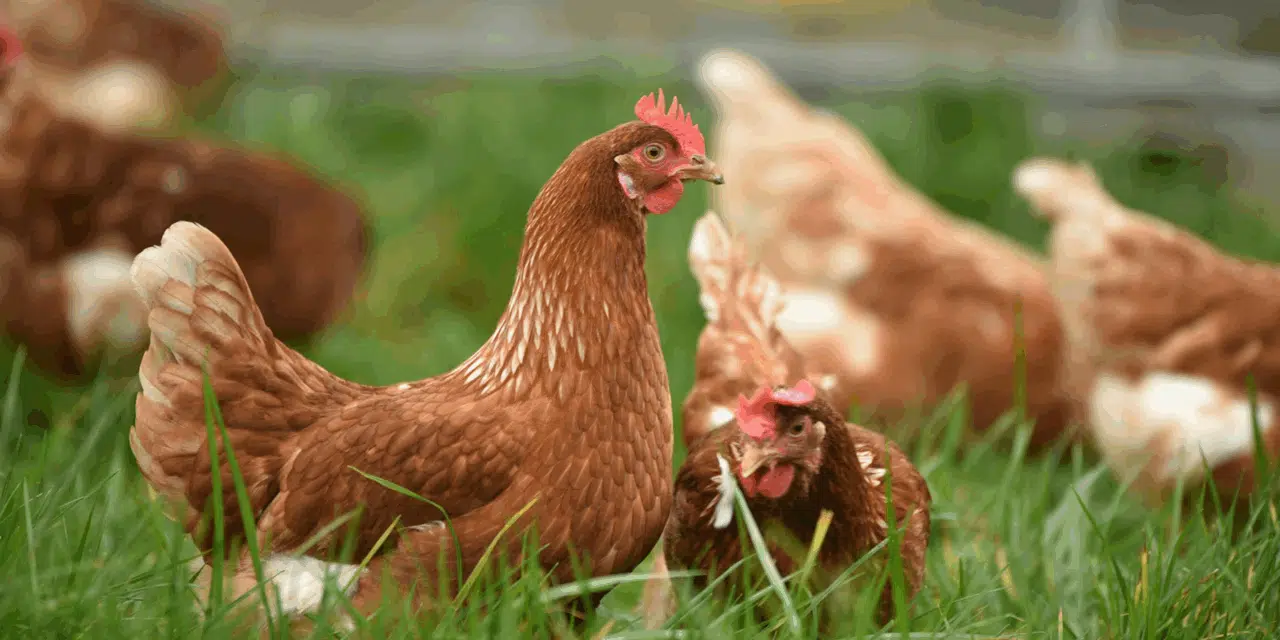
For decades, Vineland was a national leader in poultry farming, earning a reputation for quality and scale.
The Birth of Vineland Research Labs and Scientific Contributions
In the early 20th century, Vineland became home to one of the world’s most significant psychology and research institutions: the Vineland Training School.
This institution contributed major advancements to:
- psychology
- intelligence testing
- cognitive assessment
The development of the Vineland Adaptive Behavior Scales, still used globally today, emerged from this research center.
Though its history includes both groundbreaking science and ethically troubling early-era practices, the institution remains an important part of Vineland’s story.
A Growing City: 20th Century Expansion
Vineland continued to expand through the 1900s with new neighborhoods, industries, and transportation improvements.
Key developments included:
- canning and food-processing factories
- glass manufacturing
- commercial corridors on Landis Avenue
- vibrant cultural and social organizations
- strong farm-to-market distribution routes
Vineland officially became a city in 1952, merging with Landis Township and creating one of New Jersey’s geographically largest municipalities.
A Community of Culture and Diversity
One of Vineland’s defining strengths is its multicultural community.
Generations of residents contributed to the identity of the city through:
- festivals
- cultural centers
- ethnic food markets
- churches, synagogues, and community halls
Italian Americans remain one of the most prominent communities, but Vineland today includes strong Latino, African American, Jewish, and Portuguese populations as well.
Modern Vineland: Agriculture, Business, and Community Pride
Present-day Vineland blends suburban living, robust agriculture, food processing, and small business growth.
Features of modern Vineland include:
- a wide array of farms and produce markets
- revitalized sections of Landis Avenue
- arts and cultural events
- strong culinary presence with international flair
- parks, wildlife areas, and preserved farmland
- proximity to Route 55 and South Jersey destinations
The city’s balance of heritage and modern development makes it one of southern New Jersey’s most distinctive places.
Q&A: Common Questions About Vineland, New Jersey
What is Vineland best known for?
Vineland is known for its agricultural heritage, its founding by Charles K. Landis as a planned community, and its historically rich immigrant roots.
It also became famous for poultry production and agricultural innovation.
Why is it called Vineland?
Landis named the town “Vineland” because he believed its soil and climate were ideal for grape cultivation.
Grapes were early experimental crops, and vineyards once dotted the region.
What industries shaped Vineland’s development?
Agriculture, glassmaking, food processing, poultry farming, scientific research, and retail formed Vineland’s economic backbone.
Did immigrant communities influence Vineland’s growth?
Absolutely. Italian, Jewish, German, and Portuguese immigrants played major roles in developing farms, businesses, and cultural institutions.
Is Vineland still an agricultural center today?
Yes. Vineland remains one of New Jersey’s leading agricultural areas, producing fresh fruits, vegetables, and greenhouse crops for regional and national markets.